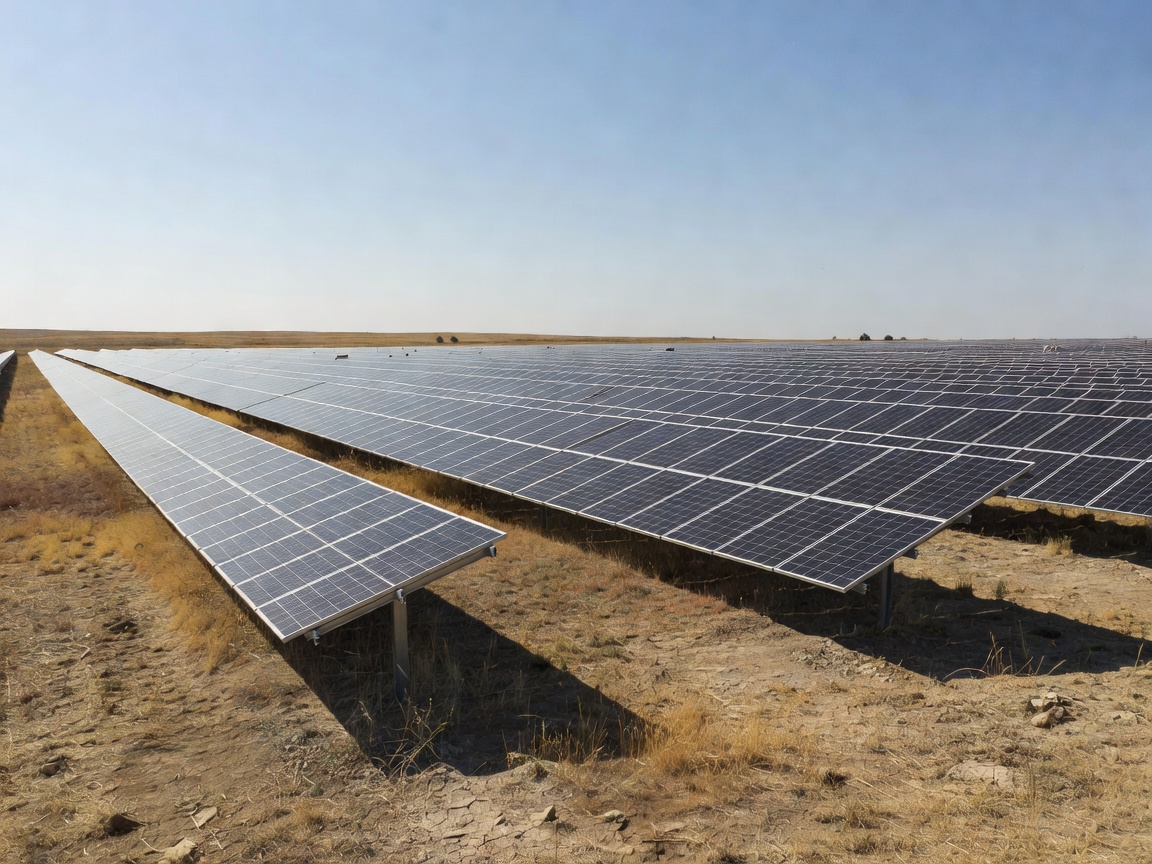
Service Introduction
Ground-mounted solar systems offer an alternative to traditional rooftop installations by placing photovoltaic arrays on specialized framework secured directly into the earth. For properties in Ontario with ample open space, this method provides immense flexibility in terms of system size and orientation. This service focuses on evaluating land suitability, constructing robust sub-structures, and establishing subterranean electrical connections to main property buildings.
What the Service Involves
Installation requires significant site preparation. Surveyors determine the exact alignment for optimal sun exposure. Heavy machinery is often used to drive steel piles into the soil, pour concrete footings, or deploy ground screws to create a secure foundation. A metal substructure is built upon these foundations to hold the panels at the perfect angle. Finally, a trench is excavated to safely run conduit carrying the electrical wiring from the array back to the property's main electrical panel.
Suitable Applications
This service is highly suitable for large rural properties, farms, commercial lots, or residential properties with expansive unshaded yards. It is the primary solution when a building's roof is structurally unsound, heavily shaded by trees, oriented poorly (e.g., entirely north-facing), or too small to accommodate the energy requirements of the property.
System Planning Considerations
Planning a ground mount involves geotechnical considerations regarding soil composition, bedrock depth, and frost line limits specific to Ontario winters to prevent foundational heaving. Installers must also consider the distance from the array to the electrical meter, as long distances require thicker gauge wiring to prevent voltage drop. Local zoning bylaws regarding setbacks from property lines must be strictly observed.
Equipment Considerations
The primary equipment difference lies in the racking system. Ground mounts use heavy-duty galvanized steel or aluminum framing designed to withstand extreme wind shear and heavy snow accumulation. Systems may be fixed-tilt (stationary) or utilize mechanical tracking mechanisms that slowly rotate the panels to follow the sun's trajectory throughout the day, requiring specialized motorized components.
Installation Considerations
Ground installations involve heavy civil work, including trenching and pile driving, which requires clear access for construction equipment. Coordination with local utility locators is mandatory before any digging begins to identify buried water, gas, or electrical lines. The site must be reasonably level or require grading prior to foundation work.
Maintenance Considerations
Ground-mounted systems are exceptionally accessible for maintenance. Ground-level panels are easier to clean and clear of heavy winter snow compared to rooftop arrays. However, property owners must manage vegetation beneath and around the system, ensuring tall grass, weeds, or shrubs do not grow high enough to cast shadows on the lower edges of the solar panels.
Important Limitations
The most significant limitation is the requirement for available, unshaded land. Additionally, ground-mounted systems are generally more complex and costly to construct than rooftop systems due to the required foundation work, trenching, and the sheer volume of structural metal needed to support the array independently.
Frequently Asked Questions
Do ground-mounted systems require concrete foundations?
Not always. While concrete footings are common, many systems utilize driven steel piles or large ground screws that anchor directly into compacted soil, depending on a geotechnical assessment of the site.
How deep is the electrical trench?
Trenches for electrical conduit must adhere to local Ontario electrical code depth requirements, typically requiring depths that protect the wiring from frost heave and accidental unearthing during landscaping.