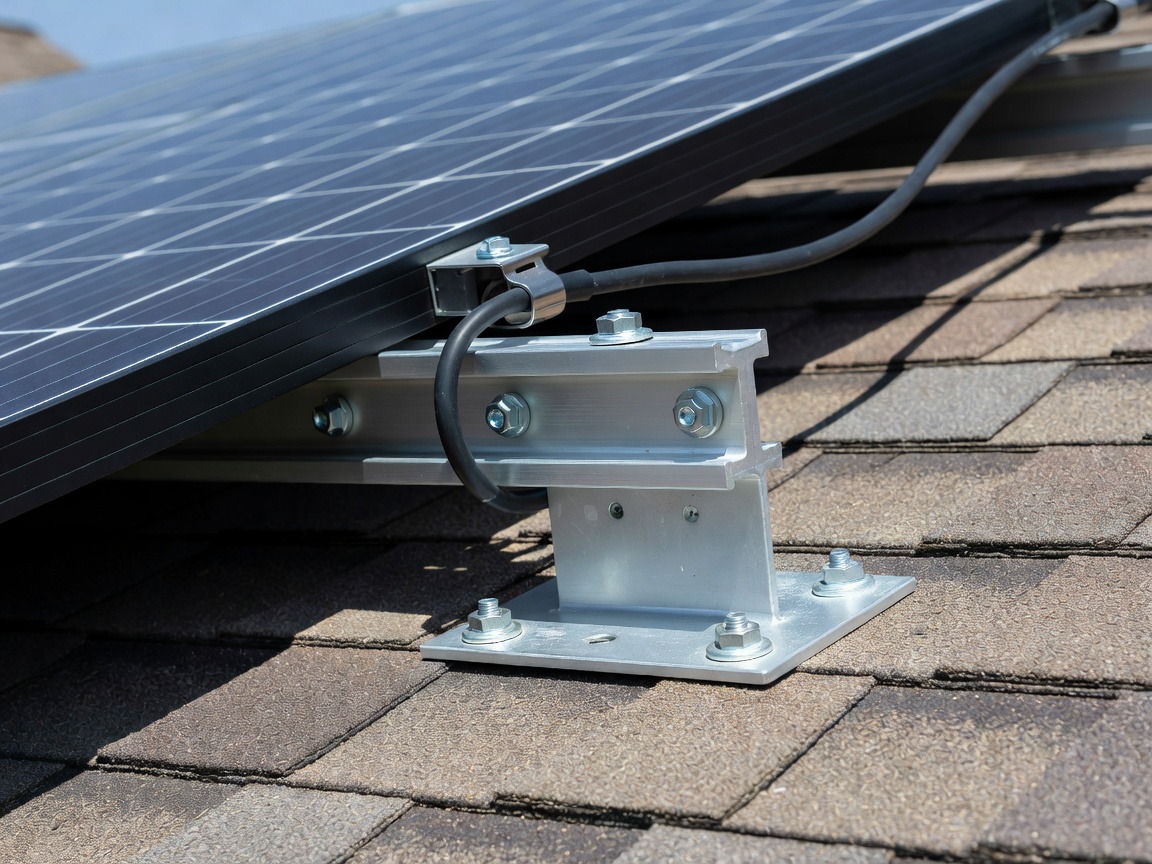
Service Introduction
Rooftop solar installation is a highly specific service focusing on the physical interaction between solar generating equipment and the building's protective envelope. In Ontario, adapting to various roof pitches, materials, and structural designs requires specialized technical approaches. This service emphasizes preserving the integrity of the roof while maximizing the available surface area for secure, code-compliant panel placement.
What the Service Involves
The process demands precise chalk-lining and bracket placement tailored to the underlying rafter locations. Installers utilize specialized flashing components that integrate directly with existing shingles or metal seams to create a watertight seal at every penetration point. Aluminum rails are then secured to these mounts, providing a rigid, leveled framework upon which the photovoltaic panels are precisely aligned, wired together, and bolted down.
Suitable Applications
This service is fundamental to almost all building-attached solar projects, covering standard asphalt shingle roofs, corrugated metal structures, standing seam metal roofs, and flat membrane surfaces. It is applicable anywhere the existing roof structure is assessed as having at least ten to fifteen years of remaining viable lifespan and sufficient structural strength to carry the static load of the hardware.
System Planning Considerations
Effective rooftop planning requires detailed mapping of the roof's geometry. Obstacles such as chimneys, plumbing vents, skylights, and dormers must be measured to establish setbacks. Roof orientation (azimuth) and pitch are calculated to model sunlight exposure, determining whether panels should be mounted flush to a pitched roof or tilted on a flat roof to optimize capture angles.
Equipment Considerations
The selection of mounting hardware is critical. Shingle roofs require specific L-feet with specialized metal flashings. Standing seam roofs utilize non-penetrating clamps that grip the seam. Flat roofs often require ballasted trays that use concrete blocks for weight, alongside wind deflectors to manage aerodynamic lift. The panels themselves must be sized to fit efficiently within the designated roof planes.
Installation Considerations
Safety is the primary consideration during installation, requiring fall-arrest systems and strict adherence to height safety protocols. Weather conditions heavily impact rooftop work in Ontario; installations cannot safely proceed during high winds, heavy rain, or icy conditions. Care must be taken not to damage surrounding roof materials while walking on the surface or moving heavy glass panels.
Maintenance Considerations
Maintaining a rooftop array involves ensuring that the space beneath the panels remains clear of nesting animals, leaves, and debris, which can trap moisture against the roof surface. Occasional visual checks should verify that all mechanical fasteners remain tight and that wire management clips holding cables beneath the panels have not degraded due to UV exposure.
Important Limitations
A major limitation is roof condition; installing a system with a 25-year lifespan on a roof requiring replacement in five years is not practical. Furthermore, complex, multi-angled roofs with limited continuous surface area may restrict the number of panels that can be installed, limiting the overall capacity of the system.
Frequently Asked Questions
Will installing solar panels cause my roof to leak?
When professional flashing techniques and appropriate mounting hardware are utilized, roof penetrations are completely sealed. Correct installation methods are designed specifically to maintain the watertight integrity of the roof.
Can panels be installed on flat roofs?
Yes. Flat roofs generally utilize ballasted mounting systems that hold the panels at an optimal tilt angle without penetrating the roof membrane, though they require structural verification for the added weight.