Service Introduction
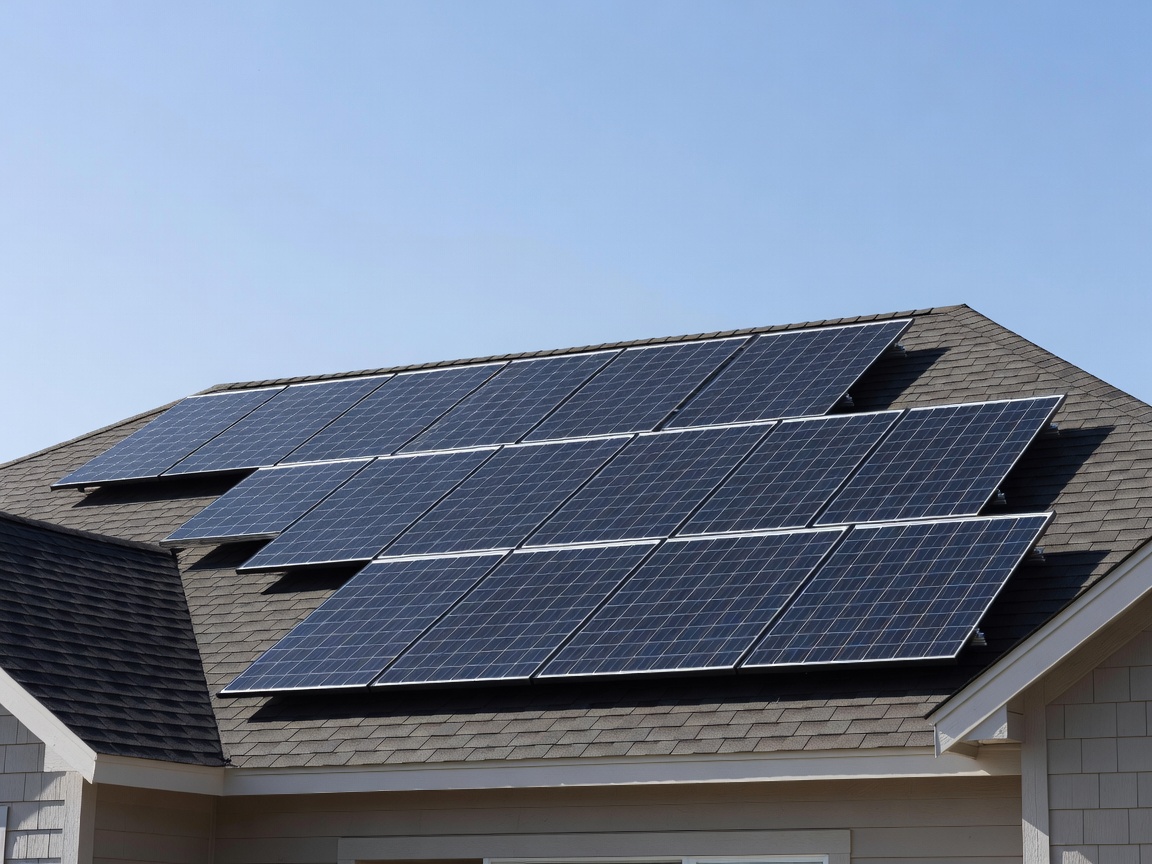
Residential solar installation is the process of integrating photovoltaic panel systems onto privately owned homes. In Ontario, property owners consider residential solar to utilize available roof space for onsite electricity generation. This service focuses on assessing the unique characteristics of a residential structure, determining the appropriate hardware, and executing a safe, code-compliant installation designed for standard domestic electrical infrastructure.
What the Service Involves
The installation of a residential solar system is a multi-stage process. It begins with physical measurements and structural assessments of the roof. Installers determine the layout of the mounting rails, secure penetrations to the roof trusses, and mount the solar panels. Concurrently, electrical work involves running conduits from the roof array down to an inverter location, integrating safety disconnect switches, and wiring the new system directly into the home's main electrical service panel.
Suitable Applications
This service is applicable to detached homes, semi-detached properties, and townhouses where the homeowner holds the property rights and structural authority to modify the exterior. It requires a roof structure capable of supporting the additional dead load of the panels and racking equipment. Homes with predominantly south, east, or west-facing roof planes with minimal shading from mature trees or neighboring structures provide the most appropriate conditions for this service.
System Planning Considerations
Planning a home solar system requires careful evaluation of household energy usage patterns. Installers review historical electrical consumption to determine a suitable system size based on the available roof footprint. Planning also involves addressing local Ontario municipal bylaws regarding panel setbacks from roof edges, historical district limitations, and securing necessary electrical permits prior to physical work commencing.
Equipment Considerations
Residential systems typically utilize monocrystalline solar panels selected for their space-to-output ratio. The choice of inverter—whether a central string inverter mounted on a garage wall or microinverters attached beneath each panel—depends on the specific roof layout and shading conditions. Mounting hardware must be compatible with the home's roofing material, whether asphalt shingle, metal seam, or tile, to ensure watertight integrity.
Installation Considerations
During installation, ensuring proper roof sealing is paramount to prevent water ingress. Installers must locate structural rafters to securely anchor the mounting system. The integration of the solar electrical feed into the home's main breaker box often requires evaluation by a licensed electrician to confirm the existing panel has sufficient busbar capacity, occasionally necessitating an electrical service upgrade before solar can be connected.
Maintenance Considerations
Residential solar arrays are generally low-maintenance, relying on rainfall to clear superficial dust. However, homeowners should plan for periodic visual inspections from the ground to identify any localized debris buildup, such as heavy leaf accumulation in autumn or significant snow loading in the Ontario winter. The primary maintenance involves monitoring the inverter's output data to ensure the system is operating within expected parameters.
Important Limitations
It is important to understand that standard grid-tied residential solar systems will automatically shut down during a neighborhood power outage for safety reasons, unless they are paired with a localized battery storage system. Furthermore, available roof space often limits the maximum size of the system, meaning the installation may not generate enough electricity to offset 100% of a home's high-demand electrical usage.
Frequently Asked Questions
How long does a residential installation typically take?
While timelines vary based on system size and weather conditions, the physical installation on a standard home usually spans one to three days, excluding the preliminary planning, permitting, and final inspection phases.
Do I need to reinforce my roof?
A structural assessment is performed during planning. Most modern Ontario homes can support the added weight, but older structures or roofs with existing degradation may require reinforcement prior to installation.