Service Introduction
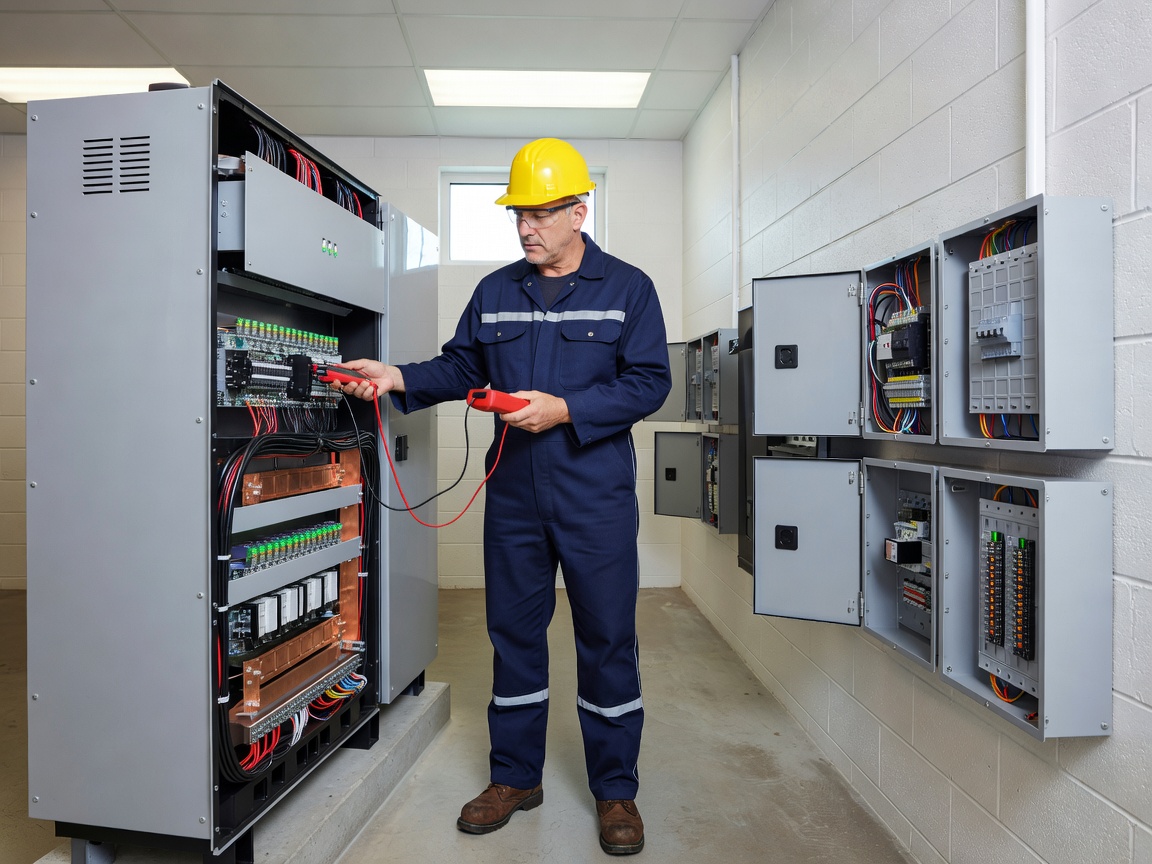
Installation and configuration of the core component that converts solar direct current (DC) power into usable alternating current (AC) power. The inverter acts as the gateway between the solar panels and the property's electrical panel.
What the Service Involves
Mounting heavy inverter hardware securely near the main electrical panel, safely terminating high-voltage DC lines from the roof, installing AC output breakers, integrating safety disconnects, and establishing internet communications for real-time monitoring.
Suitable Applications
Required for all grid-tied solar installations in Ontario to make the generated electricity compatible with standard property appliances and safe for the utility grid interface.
Planning Considerations
Planning involves determining whether a central string inverter, an optimized string inverter, or a microinverter architecture best serves the specific shading conditions and roof layout of the property.
Equipment Considerations
Inverters must be precisely sized to match the total wattage output of the solar array and strictly meet local grid interconnection standards for anti-islanding protection.
Installation Considerations
Inverters generate significant heat during operation. They must be installed in locations with adequate clearance for ventilation, and ideally out of direct intense sunlight if mounted outdoors on an exterior wall.
Maintenance Considerations
Inverters often require routine cooling fan checks, firmware updates, and visual inspection of electrical terminations over their lifespan to ensure optimal conversion efficiency.
Important Limitations
Inverters generally have a shorter functional lifespan than the solar panels themselves (often 10 to 15 years) and may require replacement once during the 25-year life of the array.
FAQ
Where is the inverter installed?
Typically mounted on an unfinished basement wall near the main electrical panel or on an exterior wall adjacent to the utility meter for easy access by emergency services.