Service Introduction
Configuring hardware and software interfaces to track the operational performance of solar installations. This ensures property owners can verify their system is producing the expected electrical output.
What the Service Involves
Connecting the inverter to local internet networks (Wi-Fi, Ethernet, or Cellular), configuring manufacturer monitoring portals, installing consumption current transformers (CT meters), and setting up automated performance alerts to notify of potential faults.
Suitable Applications
Beneficial for all residential and commercial system owners who wish to track their hardware's operational status, view historical production data, and ensure their investment is functioning correctly.
Planning Considerations
Requires verifying strong Wi-Fi signal strength or ensuring hardwired network connectivity at the inverter location prior to configuration.
Equipment Considerations
May involve installing additional hardware components, such as specialized consumption meters within the main electrical panel, to measure entire property consumption alongside solar production.
Installation Considerations
Primarily software configuration and network troubleshooting to ensure continuous data packet transmission through firewalls and routers.
Maintenance Considerations
Requires updating network credentials directly on the inverter interface if the property changes Wi-Fi routers, passwords, or internet service providers.
Important Limitations
Monitoring systems rely entirely on active internet connections; live data reporting will cease during network outages, though modern inverters usually back up data locally until the connection is restored.
FAQ
What does the monitoring system show?
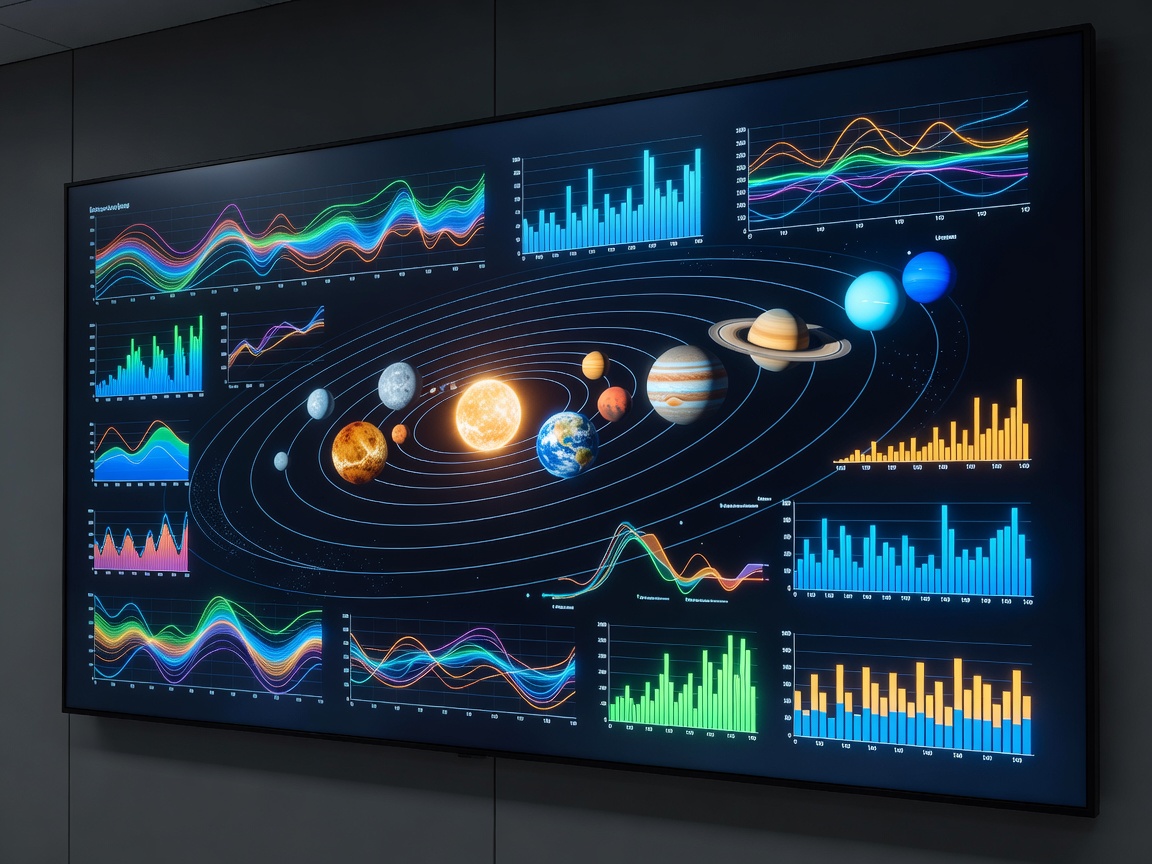
It typically displays current generation wattage, historical output graphs, system operational status, and automated email alerts for offline components.