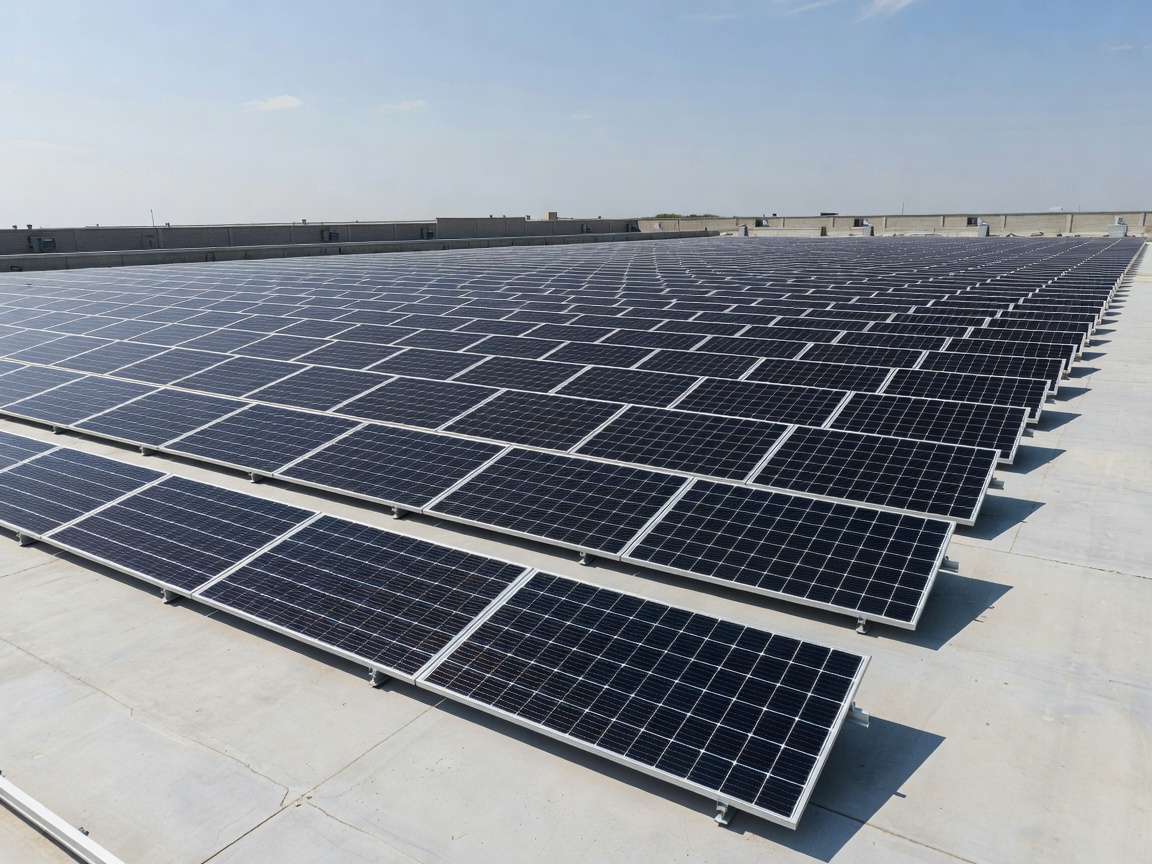
Service Introduction
Commercial solar installation addresses the complex energy infrastructure needs of businesses, warehouses, manufacturing facilities, and multi-unit residential buildings in Ontario. These projects involve significantly larger physical footprints and higher electrical capacities than residential systems. The service provides specialized planning to integrate extensive photovoltaic arrays with heavy-duty commercial electrical panels and three-phase power systems commonly found in commercial zoning.
What the Service Involves
Executing a commercial solar project involves extensive logistical coordination. It includes detailed structural engineering reviews of expansive flat or pitched commercial roofs, deployment of specialized ballasted or penetrating racking systems, and the installation of hundreds of high-capacity solar modules. The electrical phase involves routing heavy-gauge commercial conduit, installing high-capacity three-phase string inverters, and integrating complex metering and safety isolation hardware required by local grid authorities.
Suitable Applications
This service is designed for large-scale operations holding substantial roof real estate, such as logistics centers, retail plazas, agricultural buildings, and office complexes. Properties with flat roofs that allow for optimal panel orientation through tilted racking systems are particularly well-suited. It is applicable for businesses with high daytime operational energy demands that align with peak solar generation hours.
System Planning Considerations
Commercial planning requires analyzing specialized demand-charge electrical billing structures to right-size the system. Engineers must map rooftop HVAC units, exhaust vents, and skylights to maximize panel density without obstructing critical building services. Complex permitting, including structural engineering sign-offs for wind uplift and snow load calculations specific to the Ontario climate, is a major component of the pre-installation phase.
Equipment Considerations
Commercial installations typically utilize large-format, high-wattage solar panels designed for maximum output per square meter. Depending on the roof type, non-penetrating ballasted mounting systems are frequently chosen for flat membranes to preserve roof warranties. The systems rely on robust commercial-grade string inverters capable of handling high DC voltages and interfacing directly with 480V or 600V three-phase building electrical services.
Installation Considerations
Coordinating a commercial installation requires minimizing disruption to the active business below. This involves scheduling heavy crane lifts for equipment delivery to the roof, establishing strict safety perimeters, and coordinating electrical tie-ins during off-hours or scheduled maintenance windows. The scale of the wiring demands specialized commercial electricians familiar with heavy-duty conduit runs and commercial utility interconnection standards.
Maintenance Considerations
Due to the scale of the investment, commercial systems require structured maintenance protocols. This includes scheduled professional cleaning to remove industrial particulate accumulation, thermal imaging inspections of massive wiring arrays to detect anomalous heat signatures in connections, and active remote monitoring managed by facility operations teams to ensure all individual inverter strings remain functional.
Important Limitations
Commercial solar installations are heavily constrained by the structural capacity of wide-span warehouse roofs, which may limit the total allowable weight of ballasted systems. Additionally, interconnecting a massive generation source to the local grid often requires complex approval from the utility provider, which can impose limits on the maximum allowable export capacity of the commercial system.
Frequently Asked Questions
How is equipment lifted onto a commercial roof?
Materials for large-scale installations are typically loaded onto the roof using commercial cranes or heavy-duty boom lifts, coordinated carefully to ensure building structural safety and minimal disruption to grounds access.
Does the roof type dictate the mounting method?
Yes. Flat TPO or EPDM commercial roofs often utilize ballasted systems weighted down with concrete blocks to avoid punctures, whereas pitched metal roofs utilize specialized clamps that attach directly to the standing seams.